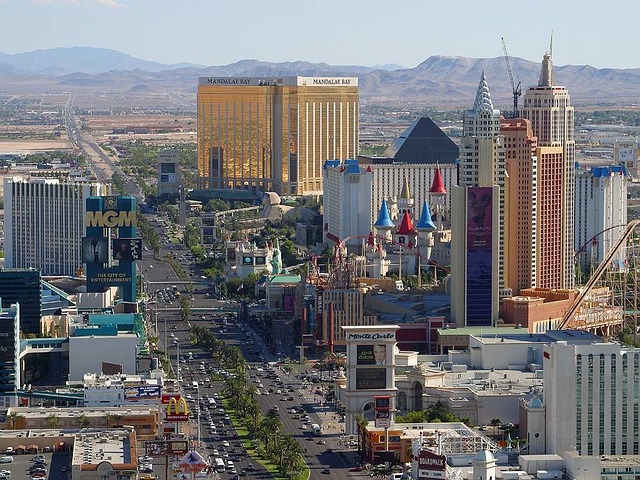
The transformation of Las Vegas from a modest railway stop to an entertainment powerhouse is a story of ambition and resilience. This blog will take you on a journey through key moments that made Las Vegas the iconic city it is today.
For more information on planning your visit, check out our Ultimate Las Vegas Travel Guide.
Las Vegas, the glittering jewel of the Mojave Desert, has undergone a remarkable transformation from a humble railway stop to a global entertainment mecca. This fascinating journey spans over a century, filled with colorful characters, bold visions, and pivotal moments that shaped the city we know today.
Early Beginnings
Native American Tribes and Natural Springs
The area now known as Las Vegas was originally inhabited by Native American tribes, particularly the Paiute people, who utilized the natural springs in the region. The name “Las Vegas,” Spanish for “The Meadows,” refers to the grassy areas surrounding these springs, which provided a rare water source in the arid Mojave Desert.
The official founding of Las Vegas took place on May 15, 1905, when 110 acres of land were auctioned off by the San Pedro, Los Angeles, and Salt Lake Railroad. This event established Las Vegas as a stopover for trains traveling between Los Angeles and Salt Lake City. Initially, the city’s growth was slow, but its strategic location and access to water began to attract settlers and businesses.
The Hoover Dam and Economic Growth
Jobs and Community Growth During the Great Depression
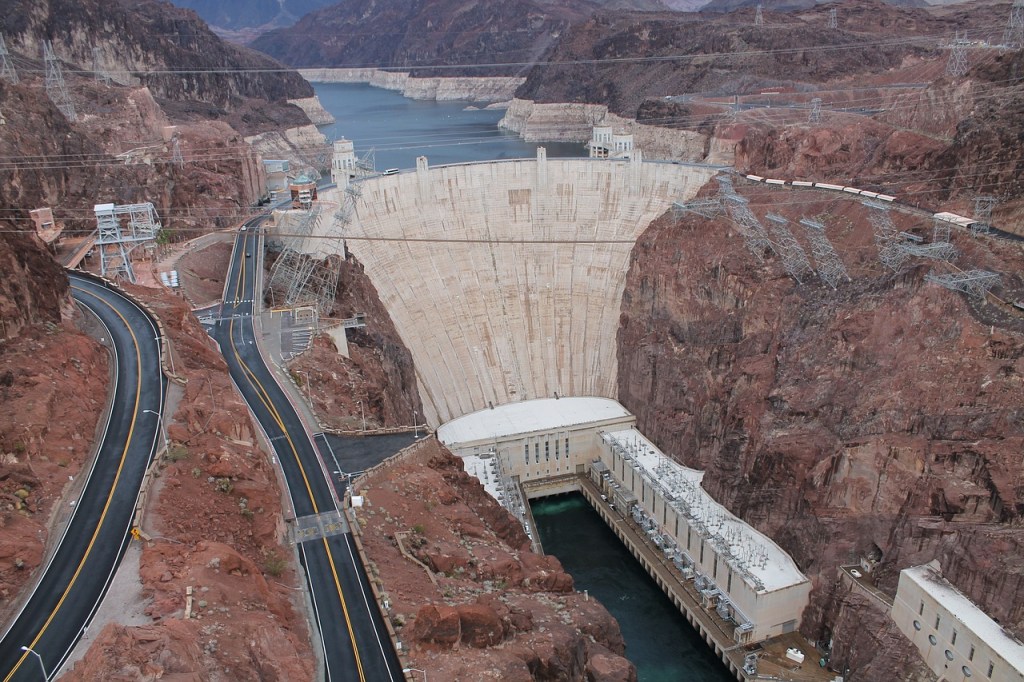
One of the most significant catalysts for Las Vegas’s development was the construction of the Hoover Dam in the 1930s. Located approximately 30 miles southeast of Las Vegas, the dam project provided thousands of jobs during the Great Depression, bringing a surge of workers and their families to the area. This influx of people spurred economic growth and helped establish Las Vegas as a thriving community.
The completion of the Hoover Dam in 1936 led to the creation of Lake Mead, which became a major recreational destination and further boosted the local economy. The dam’s construction marked a turning point for Las Vegas, setting the stage for its future growth and prosperity.
Legalization of Gambling
Birth of the Gambling Industry in Las Vegas
Perhaps the most pivotal moment in Las Vegas history was the legalization of gambling in Nevada in 1931. This decision would forever change the city’s trajectory and lay the foundation for its future as a global gambling hub. Shortly after the legalization, the city’s first casino, the Northern Club, opened its doors.
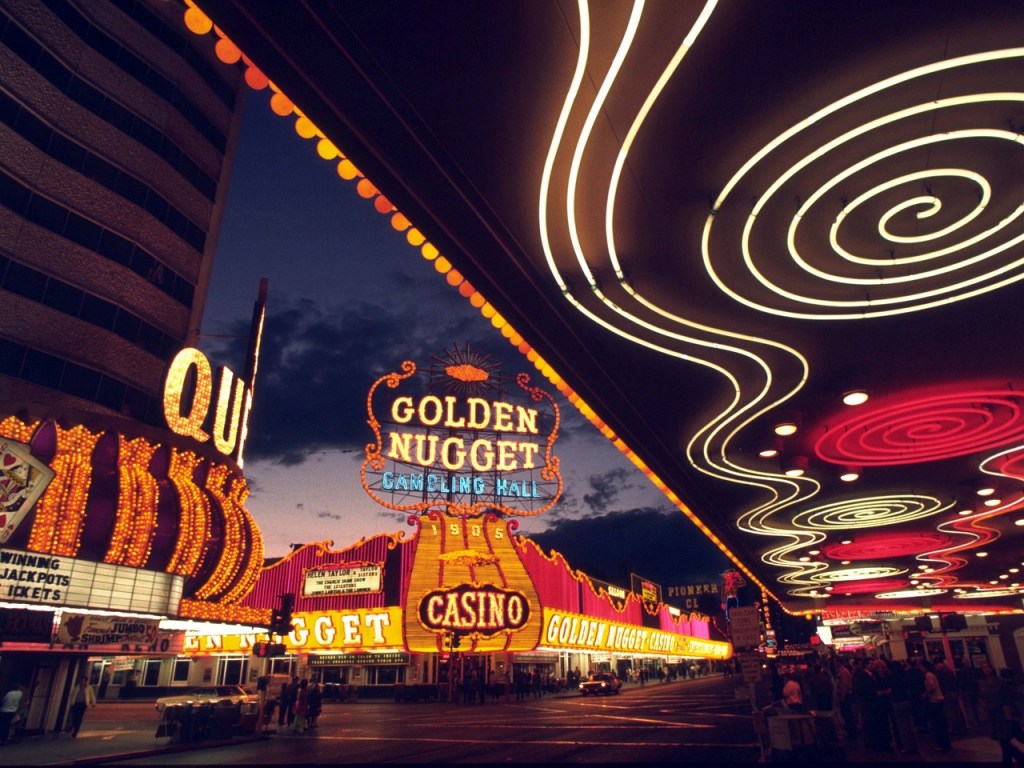
The relaxed gambling laws attracted entrepreneurs and investors, leading to the rapid development of casinos and hotels. This period saw the birth of what would become the famous Las Vegas Strip, a stretch of South Las Vegas Boulevard that would soon be home to some of the world’s most renowned casinos and resorts.
The Rise of the Strip
Bugsy Siegel’s Vision and Influence
The 1940s and 1950s marked a significant turning point for Las Vegas, as it began to gain a reputation as a premier entertainment destination. One of the most influential figures during this period was Benjamin “Bugsy” Siegel, a notorious mobster who played a pivotal role in shaping the modern Las Vegas Strip.
In 1946, Siegel opened the Flamingo Hotel, which set a new standard for luxury and glamour in Las Vegas. The Flamingo’s success paved the way for future developments and helped establish the city’s reputation for opulence and excitement.
The Golden Age
The Rat Pack and Celebrity Entertainment
The 1950s and 1960s are often referred to as the Golden Age of Las Vegas. This era was characterized by the presence of the Rat Pack, a group of entertainers including Frank Sinatra, Dean Martin, and Sammy Davis Jr. Their performances at venues such as the Sands Hotel drew massive crowds and solidified Las Vegas’s reputation as the ultimate entertainment destination.
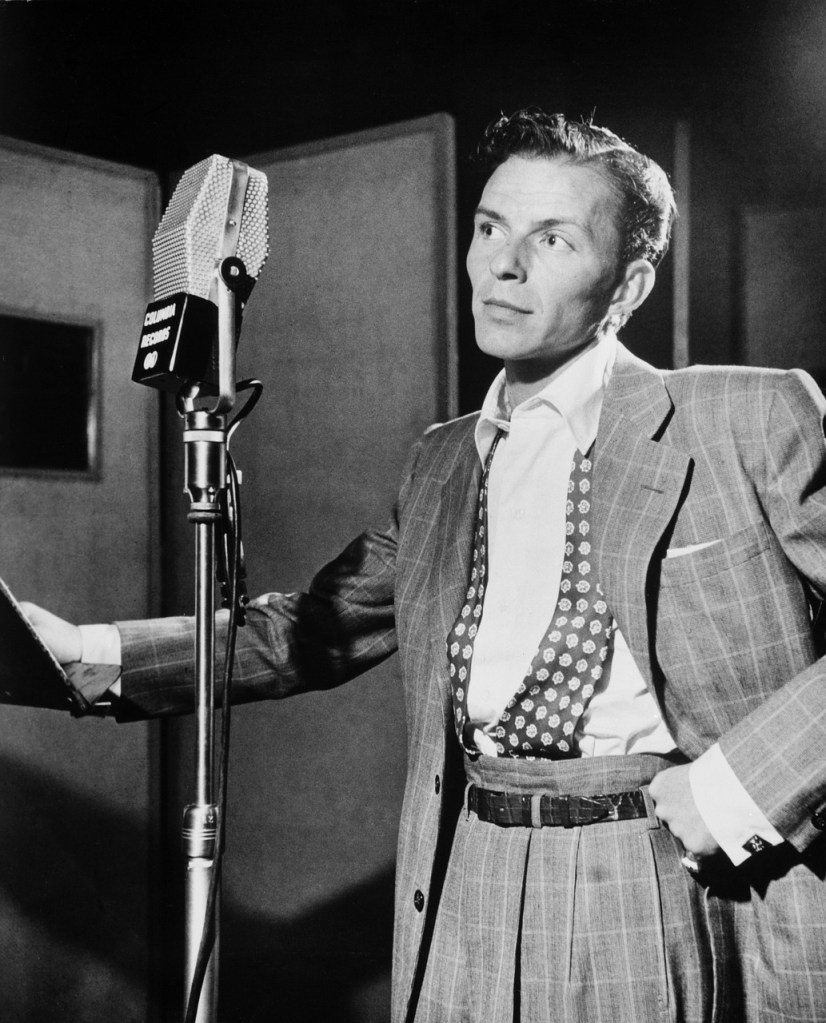
During this time, Las Vegas also became known for its lavish shows, with performers like Elvis Presley making regular appearances. The combination of top-tier entertainment, luxurious accommodations, and world-class dining made Las Vegas a must-visit destination for tourists from around the globe.
Expansion and Diversification
Beyond Gambling: Conventions, Family Attractions, and More
The latter half of the 20th century saw continued growth and diversification in Las Vegas. The city evolved beyond gambling, becoming a hub for conventions, shopping, fine dining, and live entertainment. Mega-resorts such as The Mirage, Bellagio, and Venetian introduced new levels of opulence and spectacle, further enhancing the city’s appeal.
Las Vegas also embraced family-friendly attractions, with theme parks, aquariums, and shows catering to visitors of all ages. The city’s skyline transformed with the addition of towering structures like the Stratosphere and replicas of famous landmarks, such as the Eiffel Tower at Paris Las Vegas.
Key Figures and Their Contributions
Visionaries Behind Las Vegas
Several influential figures played crucial roles in shaping Las Vegas’s development:
- Benjamin “Bugsy” Siegel: Often credited as the pioneer of modern Las Vegas, Siegel’s vision and investment in the Flamingo Hotel helped transform the city into a major entertainment and gambling destination.
- Howard Hughes: The eccentric billionaire’s investments in Las Vegas during the 1960s helped legitimize the city’s image and attract more mainstream investors.
- Steve Wynn: A prominent casino developer who played a significant role in revitalizing the Las Vegas Strip in the 1990s with properties like The Mirage and Bellagio.
- Kirk Kerkorian: Another influential developer who built the original MGM Grand (now Bally’s) and played a key role in shaping the modern Las Vegas skyline.
Challenges and Controversies
Struggles with Crime, Economy, and Social Issues
Despite its meteoric rise, Las Vegas has faced its share of challenges and controversies:
- Organized Crime: For many years, the city struggled with the influence of organized crime in its casinos and hotels.
- Economic Downturns: Las Vegas has been particularly vulnerable to economic recessions, given its heavy reliance on tourism and discretionary spending.
- Water Scarcity: As a desert city, Las Vegas has had to grapple with water conservation issues, particularly as its population has grown.
- Social Issues: The city has faced challenges related to problem gambling, homelessness, and other social issues that come with rapid urban growth.
Las Vegas Today
Reinventing Las Vegas for the Modern Era
Today, Las Vegas stands as a vibrant, dynamic city that attracts millions of visitors each year. Its ability to reinvent itself and adapt to changing times has been key to its enduring success. The city continues to evolve, embracing new technologies, focusing on sustainability, and seeking to attract a wider range of visitors.
While gambling remains a significant part of Las Vegas’s identity, the city has successfully diversified its offerings. World-class restaurants, Broadway-caliber shows, luxury shopping, and cutting-edge nightlife experiences now complement the casino floors.
The Future of Las Vegas
Innovations and Challenges Ahead
As Las Vegas looks to the future, it faces both challenges and opportunities:
- Diversification: The city continues to explore ways to diversify its economy beyond tourism and gambling.
- Technology: Las Vegas is embracing new technologies, from virtual reality gaming experiences to smart city initiatives.
- Sustainability: With growing concerns about climate change and water scarcity, Las Vegas is investing in sustainable practices and green technologies.
- Competition: As gambling becomes more widespread across the United States, Las Vegas must continue to innovate to maintain its competitive edge.
Frequently Asked Questions (FAQ)
What is the history of Las Vegas?
Las Vegas started as a small railway stop in 1905 and transformed into the Entertainment Capital of the World. Key moments include the construction of the Hoover Dam, the legalization of gambling in 1931, and the rise of the Las Vegas Strip in the 1940s.
Why was the Hoover Dam important for Las Vegas?
The Hoover Dam, built in the 1930s, provided thousands of jobs during the Great Depression, helping boost the economy and draw new residents to Las Vegas. It also created Lake Mead, a significant recreational attraction.
How did the legalization of gambling impact Las Vegas?
The legalization of gambling in 1931 set the foundation for Las Vegas to become a global gambling hub. It attracted entrepreneurs who developed casinos and helped establish the iconic Las Vegas Strip.
Who were some key figures in the development of Las Vegas?
Key figures include Bugsy Siegel, who helped create the modern Strip with the Flamingo Hotel; Howard Hughes, who invested heavily in the city in the 1960s; Steve Wynn, who revitalized the Strip in the 1990s; and Kirk Kerkorian, who shaped the Las Vegas skyline.
Conclusion and Call to Action
Las Vegas’s journey from a small desert outpost to the Entertainment Capital of the World is a testament to vision, ambition, and resilience. If you’re planning a visit or simply want to learn more, be sure to explore our Ultimate Las Vegas Travel Guide. We’d love to hear your favorite Las Vegas stories or answer any questions—leave a comment below!


 Friendly Travel Guide